

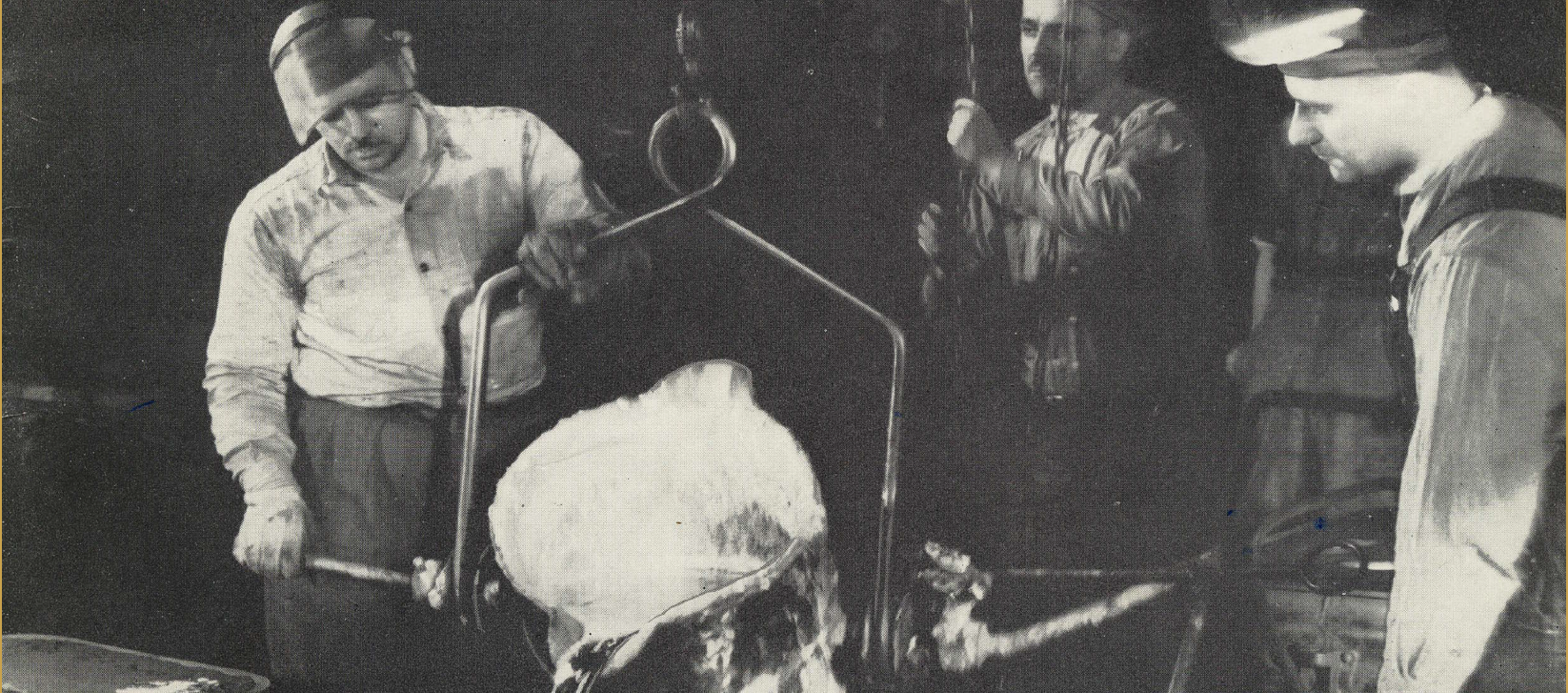
In 2000, Cecil Hawkins, then CEO of Canerector, walked into the offices at 350 Décarie Boulevard in Saint-Laurent, Quebec.
The building belonged to The Robert Mitchell Company, one of Quebec’s longest-established manufacturers. Founded 16 years before Confederation, it had grown into a business that at its peak employed more than 3,500 people.
By 2000, though, parts of the business were struggling.
What Cecil found inside the heritage building was a maze. It housed five businesses. The foundry was squeezed into a small part of it. A single casting might travel between buildings, up and down floors and around corners, by hand, cart and forklift. The foundry had been losing money for years.
Canerector bought it anyway.
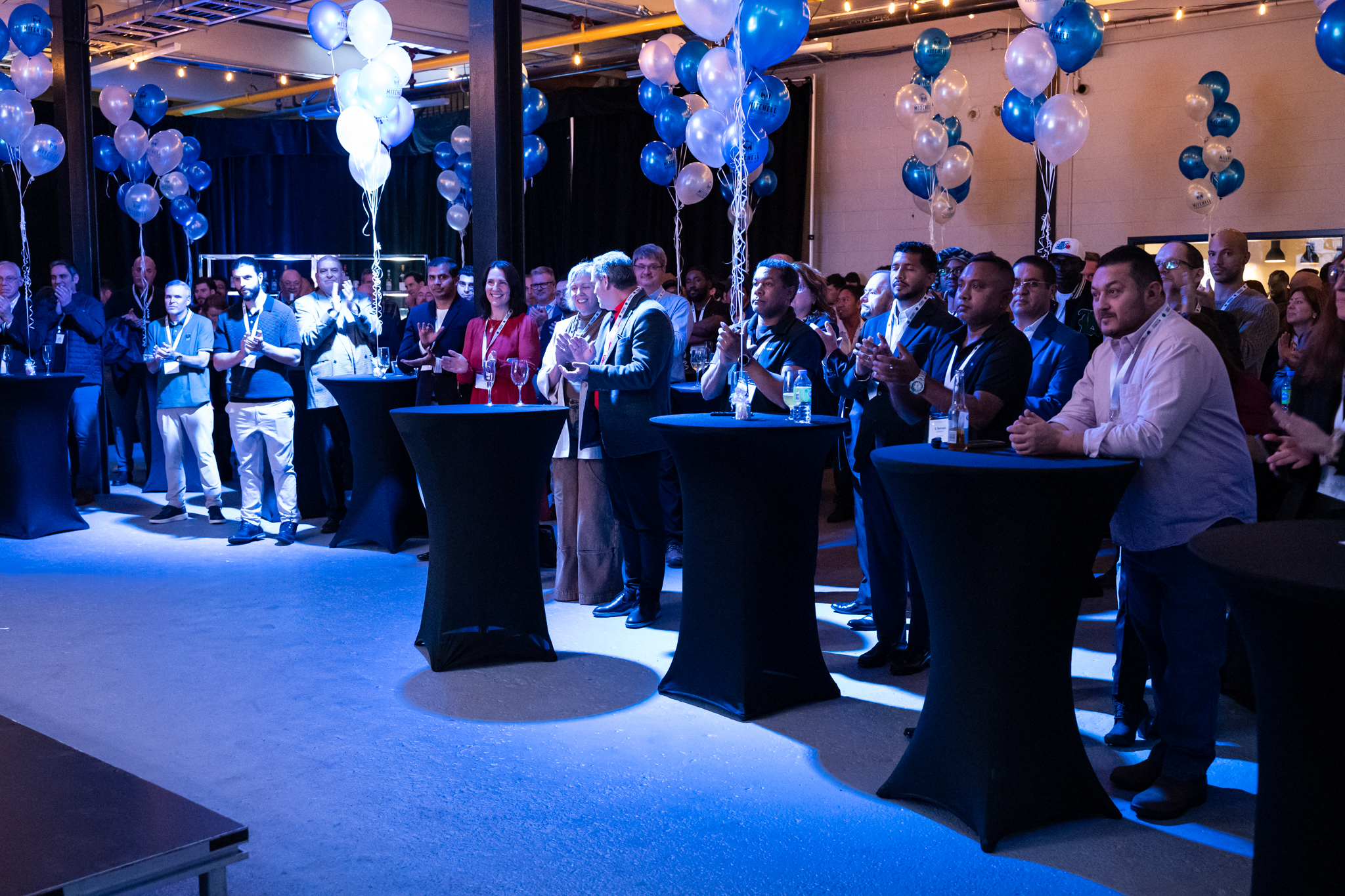
Twenty-six years later, Mitchell Aerospace celebrated its 175th anniversary. Employees past and present, customers, suppliers, local officials and colleagues from across Canerector gathered to mark the milestone. Cecil was there to welcome them, and he had a confession to make.
“I must confess. I did not know anything about foundries at the time,” he told the room.
It’s a surprising admission from the person behind the deal. But everybody starts somewhere. At some point, you have to buy your first foundry. For Canerector, that was Mitchell Aerospace. Today, foundries are the largest group among Canerector’s more than 50 businesses.
The answers were already inside
Cecil didn’t have to look far for help. The people who knew how to fix the foundry were already working there.
Canerector’s first decision was to put Milan Kavena, the foundry’s metallurgist, in charge. Milan redesigned the operation from the ground up.
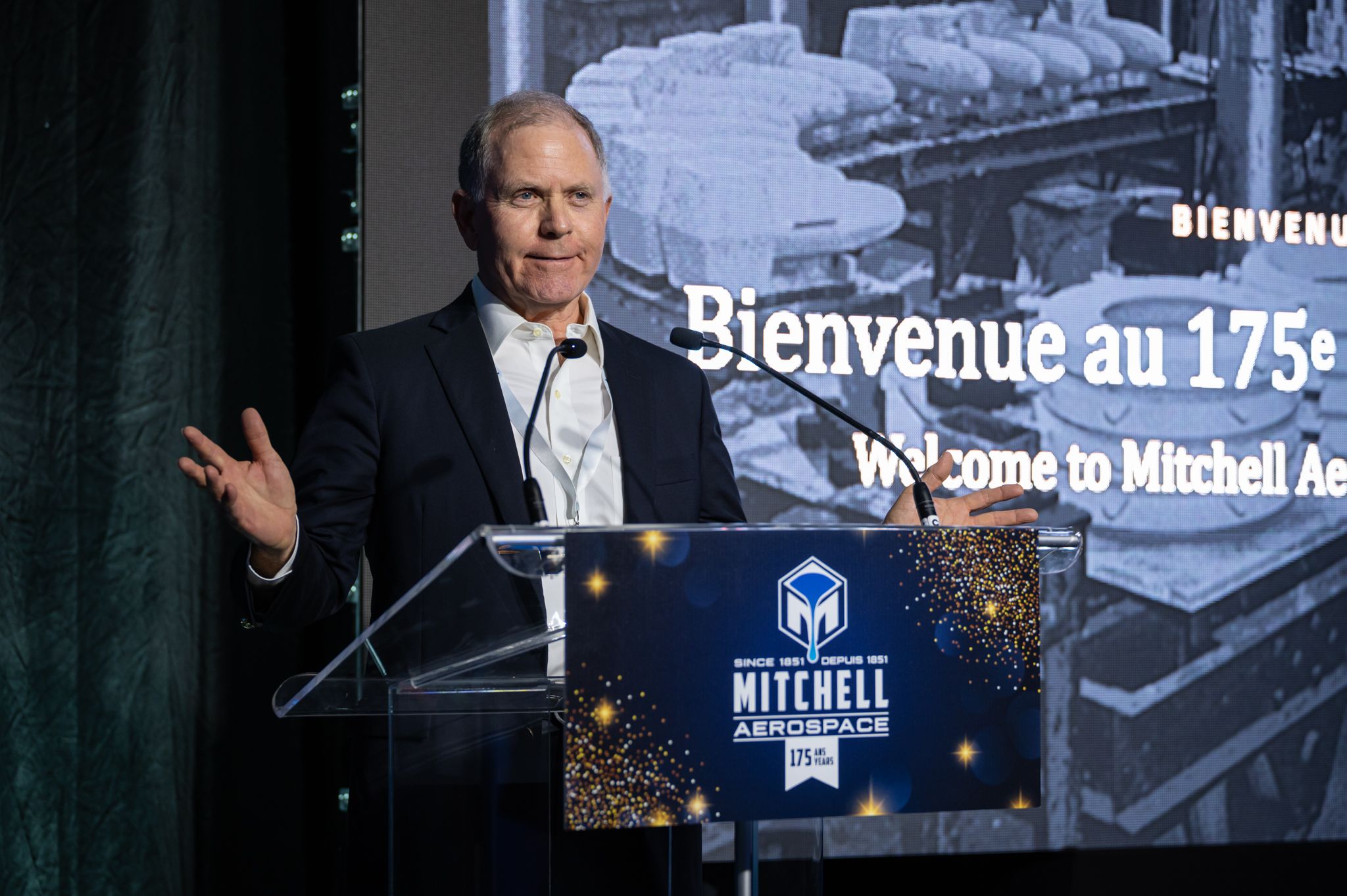
Cecil is clear about who deserves the credit. Without the entire team’s experience, talent and dedication, he said, the reorganization would never have worked. They showed him how to improve the business and where to invest.
Canerector put millions into equipment, the building and new processes, and the results followed. “Over the years the foundry went from a business we did not understand to one we came to love,” Cecil said.
Canerector didn’t arrive with the answers, and it didn’t need to. The people at Mitchell Aerospace had them.
What the team didn’t have was investment, and an owner willing to take the long view. That’s what Canerector brought: patient capital and a belief that the best way to grow a business is to keep reinvesting in it.
Mitchell Aerospace had done this before. In its first 149 years, it had gone from plumbing fittings and beer pumps to railway parts and electric lighting, rebuilt after a fire in 1903, moved into its Saint-Laurent foundry in 1929 and produced millions of artillery shell casings during the Second World War. Each time the world changed, Mitchell Aerospace changed with it. That’s how they became a company that casts aluminum and magnesium parts for aircraft engines.
Still reinventing
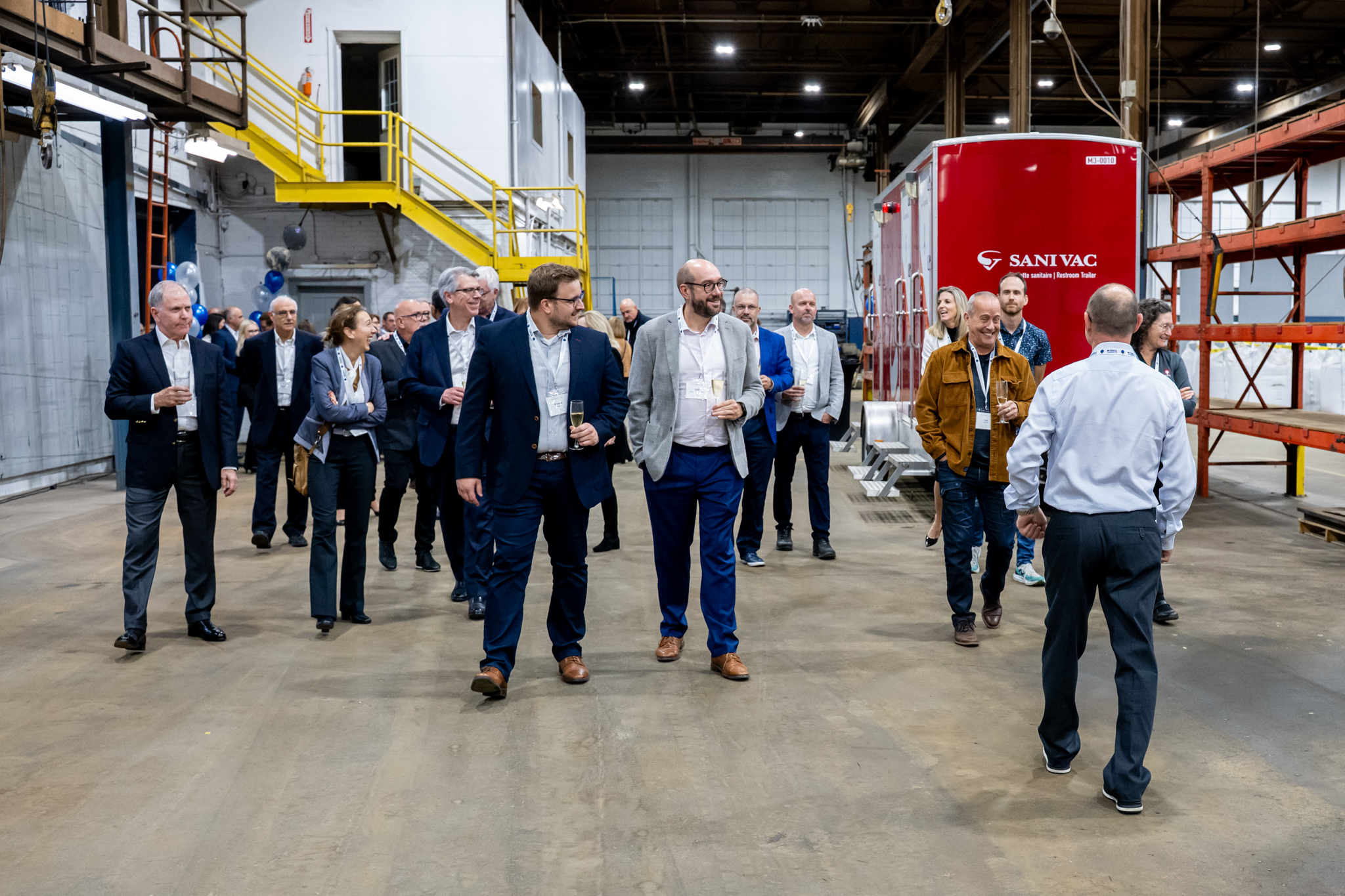
Walk onto Mitchell Aerospace’s shop floor today and you’ll find an organized, modern operation making complex castings, from intricate gearbox components to advanced parts for aircraft engines.
The work starts with the metal. Mitchell casts in aluminum and magnesium alloys, which aerospace relies on because they’re light. In an aircraft, less weight means less fuel burned on every flight.
Under President Guillermo Alonso, Mitchell Aerospace has spent the past five years modernizing how that work gets done. Newer equipment is replacing older machines. A full re-layout of the plant is in the works to shorten the path each part travels and improve flow. That’s a long way from the days Cecil described, when a casting wandered between buildings on carts and forklifts.
Next comes 3D sand printing, which builds molds directly from a digital design and cuts the time it takes to bring a new part into production.
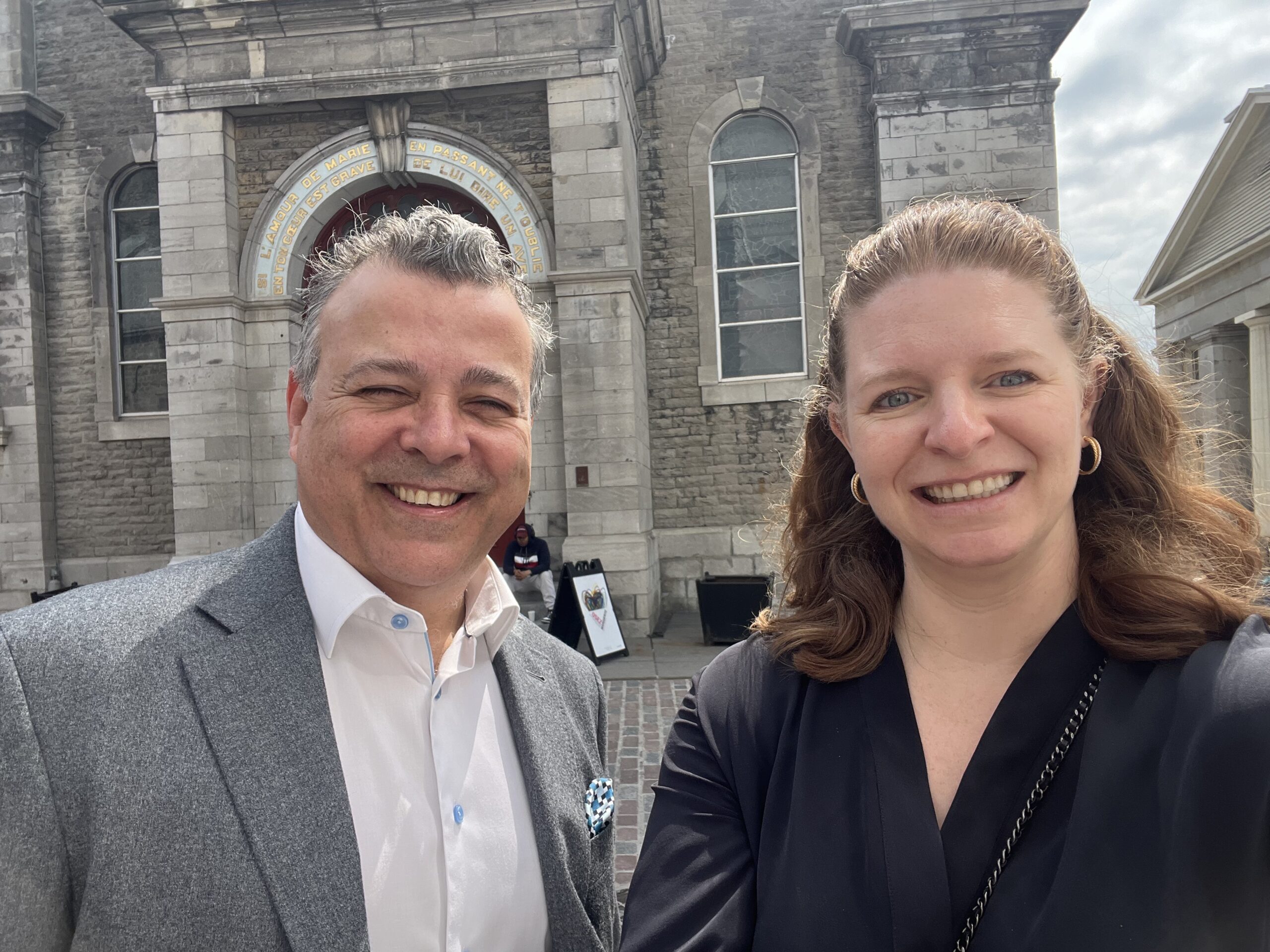
Guillermo says customers have noticed. “Our customers have recognized that progress,” he told anniversary guests. Pratt & Whitney Canada, one of Mitchell Aerospace’s longest-standing customers, was in the room.
Guillermo is clear about where Mitchell Aerospace is headed: a strategic supplier to the leading aero engine makers. The company is well on its way. He also wants the whole industry to get stronger. To this end, he even invited guests from other foundries to join in the celebration. “Ultimately, a stronger foundry industry benefits us all,” he said.
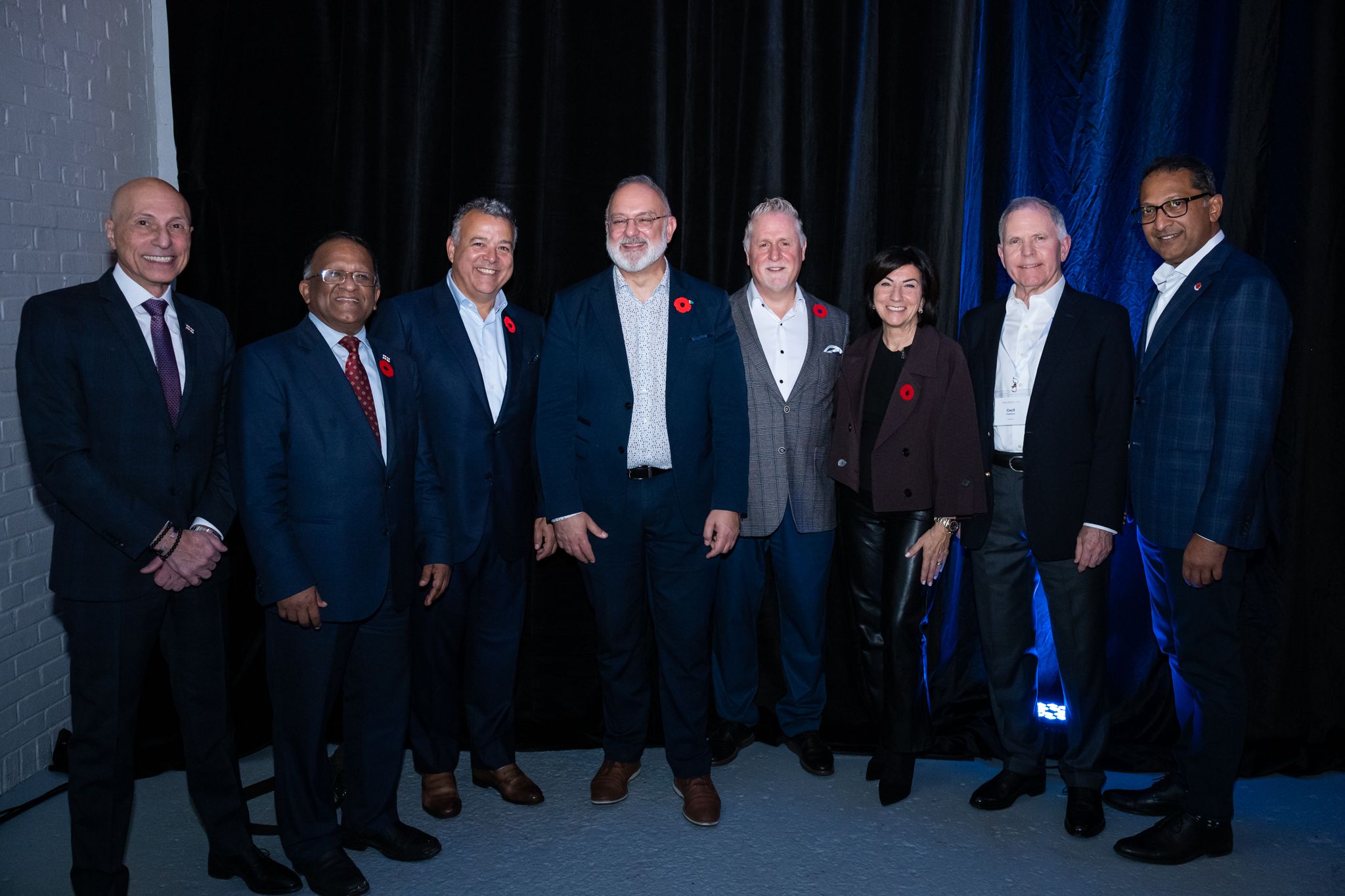
The people who carried Mitchell Aerospace through the last chapter are still part of this one. Several employees have given the company more than 40 years. Giovanni Bevilacqua, Mitchell Aerospace’s Director of Business Development, hosted the evening and summed it up: “A company’s history is measured in years. But its legacy is measured in people.”
26 of 175
Twenty-six years on, the company that started what is now Canerector’s largest group of businesses is still pouring metal at the address it moved into in 1929.
That’s worth celebrating. Not because Mitchell Aerospace is old, but because it has spent 175 years proving it can change without losing what makes it good.
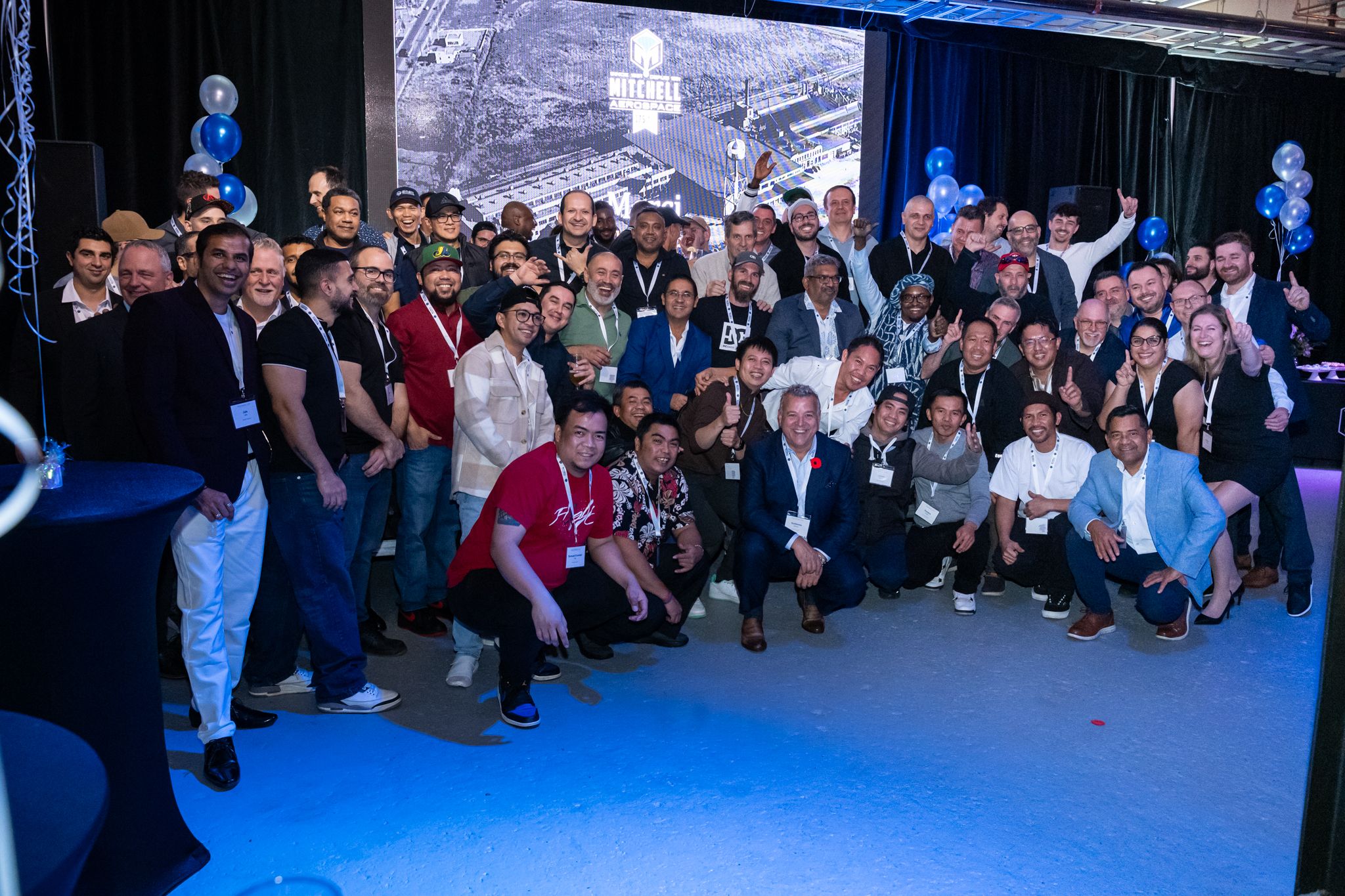
“Mitchell Aerospace has lasted 175 years because every generation respected what came before and invested in what came next,” said Amanda Hawkins, Canerector’s CEO. “That’s how we think about all our businesses. Our family has been part of Mitchell Aerospace’s story for 26 of its 175 years, and we plan to be part of it for many more.”
Happy 175th, Mitchell Aerospace